Studying Abroad with Family
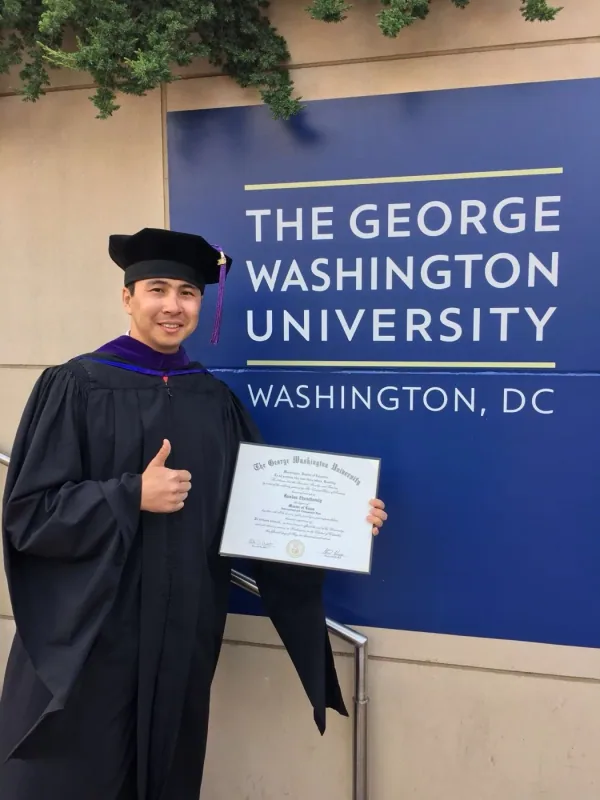
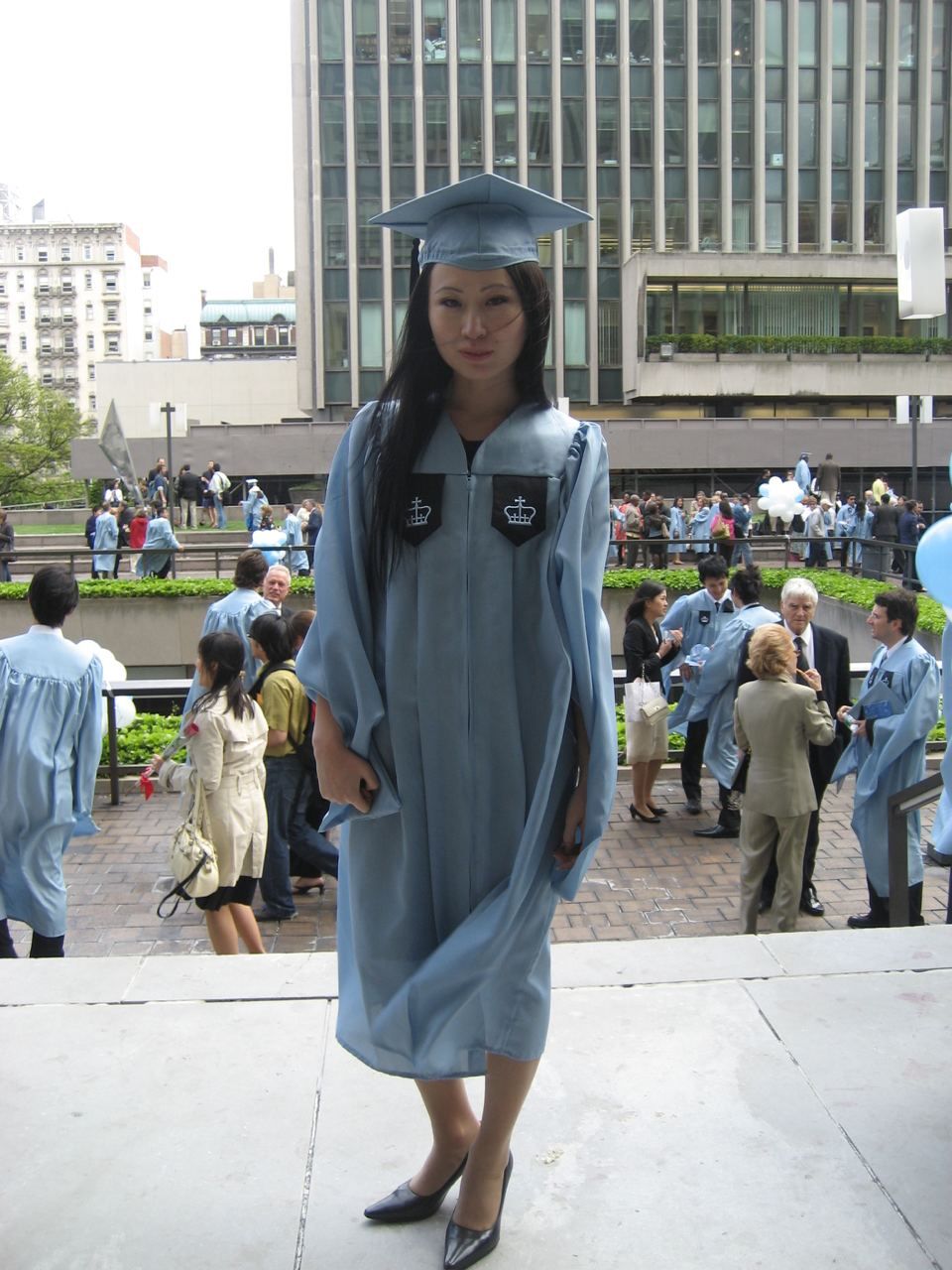
Studying for a Master’s degree under the "Bolashak" program in the USA—specifically at Columbia University in New York for the Public Administration program—is initially perceived as a major academic challenge. The intensive workload, fast pace, and constant intellectual pressure require full engagement and discipline.
However, when a student moves not alone, but with a spouse, the focus shifts. A vital question arises: how is the life of the second family member structured in these new conditions, and what role do they play in this system?
In my case, we moved together. Even during the preparation stage, it became clear: studying abroad with a family is not just about education; it is a new joint chapter of life.
F2 Visa: What is it and what are the restrictions?
For married students in the US, there is a visa link: F1–F2. The student receives an F1 visa, and the accompanying spouse receives an F2 visa. The F2 visa grants the right to reside in the country for the entire duration of the study but imposes several restrictions:
-
No official employment: You cannot hold a local job.
-
No full-time study: To enroll in a full-time degree program, one must change their visa status.
-
No full-scale labor activity: This includes local business operations.
However, there are opportunities:
-
You can take short-term courses (e.g., language or certification programs).
-
You can study part-time.
-
You can focus on self-development.
-
You can work remotely for companies located outside the US.
It is important to understand: these are not so much "restrictions" as they are features of the format that you can adapt to in advance to build a comfortable life strategy.
What can a spouse do?
One of the main fears of applicants is: "What will my partner do all day?" In practice, there are many more options than it seems, and many use this period as a turning point for growth.
1. Education and Development A spouse can:
-
Take language courses.
-
Enroll in short-term professional programs.
-
Earn international certifications.
-
Master a new profession. For many, this is the chance to finally do what they didn't have time for before.
2. Remote Work It is permitted to:
-
Work for international/foreign companies.
-
Engage in freelance activities.
-
Continue a career in an online format. This allows you to not only maintain an income but also stay within a professional environment.
3. Volunteering and Community You can actively participate in:
-
University events.
-
Volunteer projects.
-
Cultural and social initiatives. This is not just about adaptation; it’s about networking, gaining experience, and expanding your social circle.
4. Using University Resources Spouses can often:
-
Attend open lectures.
-
Use the university libraries.
-
Access the gym.
-
Participate in campus-wide events. This helps the partner feel like an active part of the environment rather than a mere "observer."
What challenges do families face?
It is important to be honest about the challenges. Most of them are temporary and solvable.
-
Work Restrictions: The inability to work locally can feel unusual at first. However, many find alternatives through remote work or new avenues of development.
-
Difference in Life Rhythms: The student has a tight schedule, deadlines, and exams. The partner has a more flexible day. Over time, this levels out as each person establishes their own rhythm and tasks.
Life Hacks for Married Students
Based on personal experience and observations, here is what actually helps:
-
Seek Community Immediately: Don't isolate yourselves. Join university spouse groups, student communities, diasporas, or platforms like Meetup. This speeds up adaptation significantly.
-
Use City Resources: Take advantage of free museum days, library cards, and public cultural events. This makes life rich and interesting without heavy expenses.
-
Plan Development in Advance: Don't put "life on pause." Decide early which skills to upgrade or which courses to take. This makes the period maximally productive.
-
View the Period as an Investment: Use this time for a career pivot, preparing for your own future admissions, or developing soft skills.
The Bottom Line: Is it worth going with a spouse?
Studying abroad with a family is not just about challenges; it is about powerful joint growth. Yes, there are specific rules to follow. Yes, it takes time to adapt. Но in reality, it is a much more comfortable and manageable process than it seems at the start.
-
For the student, it’s an academic and career leap.
-
For the partner, it’s an opportunity for a "reset," development, and new horizons.
Most importantly, you are walking this path together. In the end, studying abroad results in more than just a diploma—it is a life-changing experience that strengthens you as a team.
Articles
Read also